
Inclusive by Design
Awareness. Prevention. Shared Responsibility.
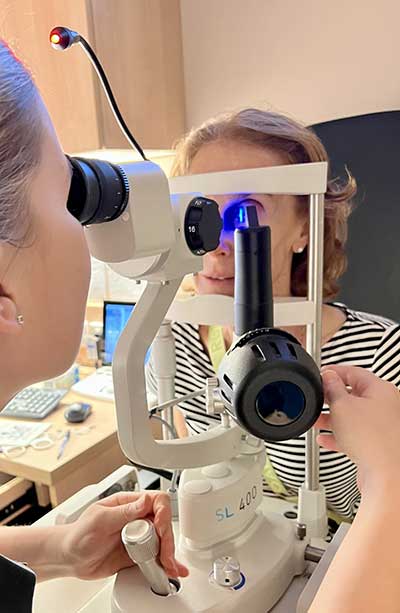
Vision change affects millions of people across every stage of life. While some causes are genetic or unavoidable, many vision conditions can be managed, slowed, or detected early through proactive care and whole-body health. Designing inclusively begins with awareness — understanding the risks, protecting your vision, and creating environments that support long-term eye health for everyone.
Prioritise Regular Eye Care
Early detection can prevent or minimise vision loss.
Schedule comprehensive eye examinations as recommended by your optometrist or ophthalmologist.
Do not ignore subtle changes such as distortion, blurred vision, floaters, or increased light sensitivity.
Follow up consistently if you have a diagnosed eye condition — monitoring matters.
Support Whole-Body Health
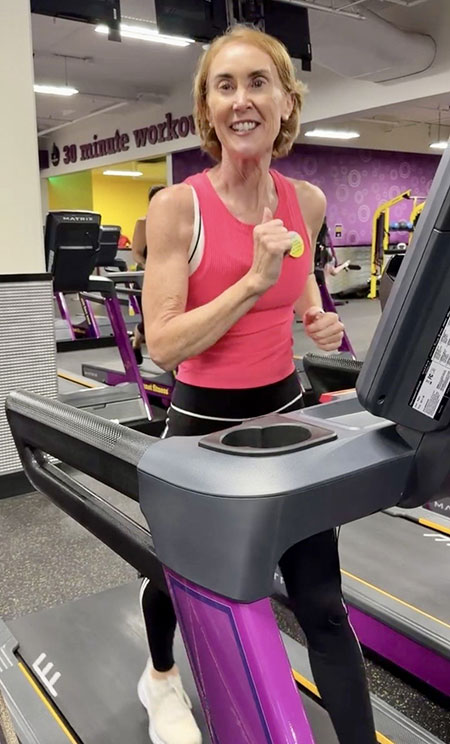
Make regular exercise part of your routine to support balance, mobility, mental wellbeing, confidence, and to help you maintain independence.
Your eyes are connected to your overall health.
Work closely with your GP if you have conditions such as diabetes, high blood pressure, or cardiovascular disease.
Maintain stable blood sugar levels if you live with diabetes to reduce the risk of diabetic eye disease.
Prioritise regular health checks and preventative screenings.
Protect Your Vision Daily
Simple habits make a long-term difference.
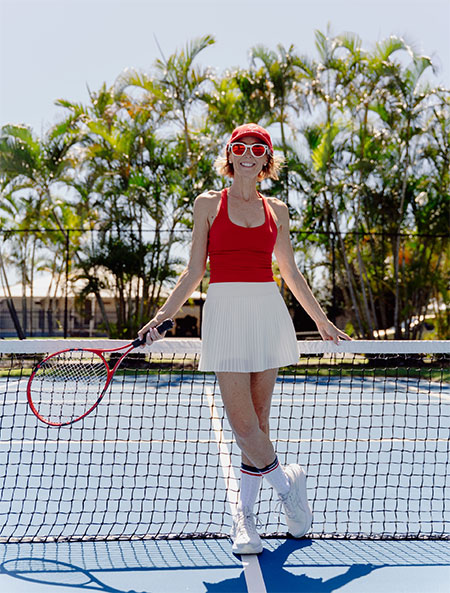
Wear quality sunglasses that provide 100% UV protection.
Use wide-brim hats outdoors to reduce sun exposure.
Take regular breaks from screens to minimise digital eye strain.
Understanding Common Causes of Vision Loss
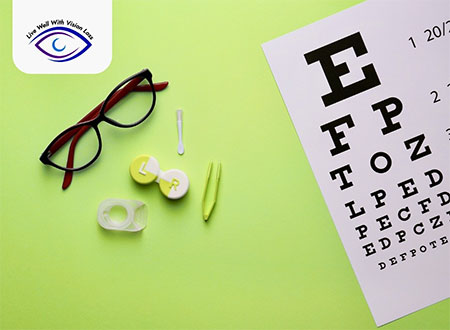
There are many different causes of blindness, low vision, and vision impairment. For a medically reviewed overview of eye conditions and diseases, visit the National Eye Institute’s Eye Conditions A–Z guide
Common causes include:
Premature birth
Age-related macular degeneration
Diabetic eye disease
Glaucoma
Cataracts
Retinal conditions
Genetic disorders
Stroke or neurological injury
High myopia complications
Trauma
Looking for practical support, adaptive living tips, wellbeing resources, and community connection? Explore Live Well with Vision Loss for inclusive resources designed to help people live well, stay independent, and feel connected while navigating vision loss.
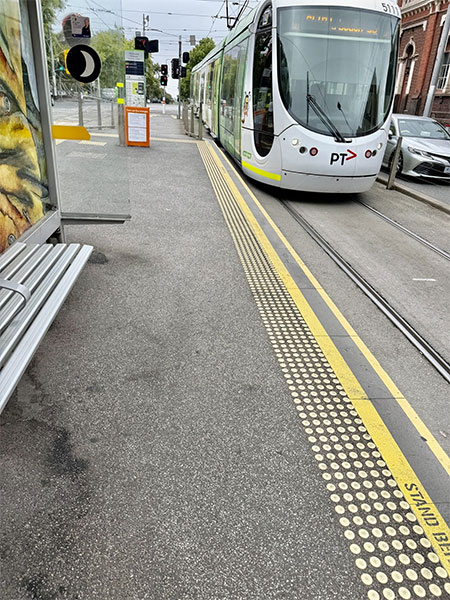
Design Environments That Work for Everyone
Inclusive design benefits all ages and abilities.
Improve lighting in homes and workplaces.
Increase contrast on stairs, doorframes, and work surfaces.
Use larger fonts and accessible digital design where possible.